Last Updated on December 11, 2025 by sashoy
“Until you make the unconscious conscious, it will direct your life and you will call it fate.” — Carl Jung
This quote by Carl Jung has echoed through psychology, self-help literature, and personal development circles for decades. But beyond its poetic sound lies a powerful truth about human behavior, hidden patterns, and the invisible forces guiding our decisions. Understanding this insight can be life-changing. It can help you break cycles, make better choices, and take real ownership of your life.
In this blog post, we’ll explore what Jung really meant — and, more importantly, how you can apply it to your everyday life.
What Is the “Unconscious,” and Why Does It Matter?
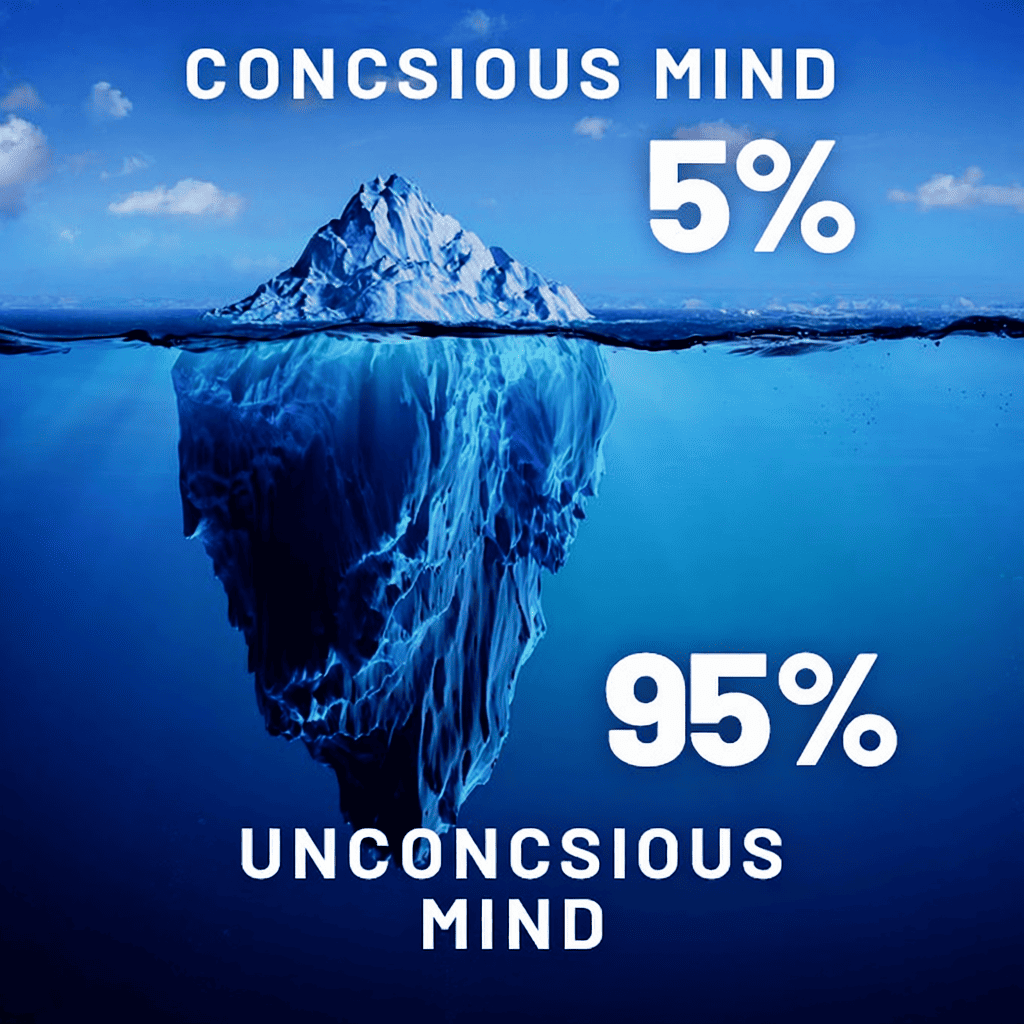
The unconscious refers to the beliefs, fears, memories, and habits that operate beneath your awareness. These hidden layers of the mind shape how you respond to situations, choose relationships, react to stress, and define your limits.
Think of it like the code running in the background of a computer. You don’t see it, but it determines everything the system does.
When Jung says the unconscious “directs your life,” he means:
You repeat emotional patterns without knowing why
You choose partners who reflect unresolved wounds
You sabotage goals because of hidden fears
You avoid opportunities due to inherited or absorbed beliefs
You act from habit, not intention
And because these patterns feel natural, you label them as fate, destiny, or “just how life is.”
But they’re not fate — they’re programming. And programming can be changed.
Why We Call It Fate: The Comfort of the Familiar
Humans are creatures of habit. The unconscious loves routine because it feels safe. Even painful patterns can feel comfortable simply because they are familiar.
This is why people often say:
“I always end up in the same kind of relationship.”
“Bad things just happen to me.”
“Life never gives me a break.”
“I’m just not lucky.”
But Jung challenges this mindset. He suggests that your experiences aren’t random. They reflect inner patterns you haven’t examined yet.
Calling it “fate” removes responsibility — and with it, the power to change.
Making the Unconscious Conscious: The First Step Toward Personal Freedom
So how do you bring these hidden patterns into the light?
The process isn’t always comfortable, but it is deeply rewarding. Here are the practical steps:
1. Start Noticing Repeated Patterns
If something keeps happening over and over, it’s a signal.
Do you attract similar partners?
Do your friendships fall apart in the same way?
Do you quit projects at the same stage each time?
Patterns are clues pointing toward unconscious beliefs.
2. Practice Emotional Awareness
Instead of pushing discomfort away, pause and ask:
What am I really feeling?
Where have I felt this before?
What does this emotion want me to understand?
Naming your emotions gives you power over them.
3. Challenge Your Core Beliefs
Many of your beliefs aren’t yours — they’re inherited from family, culture, and past experiences.
Reflect on questions like:
Do I truly believe this?
Where did this belief come from?
Is it helping or harming me?
This is how you break generational patterns.
4. Seek Honest Self-Reflection
Journaling, mindfulness, and therapy are powerful tools. They create a safe space where your internal world becomes visible.
5. Choose Conscious Action
Once you recognize a pattern, you get to choose differently.
That’s the moment fate ends and freedom begins.
Why This Work Matters: Becoming the Author of Your Life
Bringing the unconscious to light isn’t just self-improvement. It’s liberation.
When you understand your inner drivers:
You stop repeating harmful cycles
You attract healthier relationships
You make choices aligned with your values
You discover your authentic self — not the scripted version
You feel more confident, grounded, and in control
Instead of feeling like life is “happening to you,” you start shaping life intentionally.
This is Jung’s message: self-awareness is the foundation of freedom.
Conclusion: Fate Is Not Fixed — Awareness Changes Everything
Carl Jung’s quote isn’t just philosophical wisdom. It’s a roadmap for personal evolution. When you illuminate the unconscious, you reclaim your ability to choose. You stop living on autopilot. You stop calling patterns “destiny.” You begin living consciously, deliberately, and powerfully.
Your unconscious shapes your life — until you choose to shape it yourself.
If you found this post valuable, share it with someone who might need a reminder that their future isn’t fixed, and stay tuned for more content on self-growth, mindset, and meaningful living.