Last Updated on December 10, 2025 by sashoy
Introduction to Mindset Transformation
Do you ever feel like you’re running on a mental treadmill? You’re working hard, setting goals, and trying to stay positive, but an internal script of self-doubt, fear, or “I’m not good enough” keeps playing on loop, holding you in place. This isn’t a personal failing; it’s the work of your mindset—the invisible operating system that silently runs your life, shaping every decision, reaction, and dream.
Mindset is the internal framework of beliefs, attitudes, and expectations that shapes how a person interprets the world and responds to everyday situations. It acts like a psychological lens that influences what you notice, how you feel, and which actions you choose next. These underlying beliefs guide how you explain events, what you expect from the future, and how confident you feel about your ability to handle challenges.
The good news is that you are not stuck with the software you were given. Just as you can update your phone’s OS, you can fundamentally upgrade your mindset. This isn’t about slapping on a layer of forced positivity. This inner framework quietly filters your experiences, affecting how you make sense of stress, failure, success, and uncertainty. The same situation can feel like a threat or an opportunity depending on the mindset interpreting it.
Types of mindset
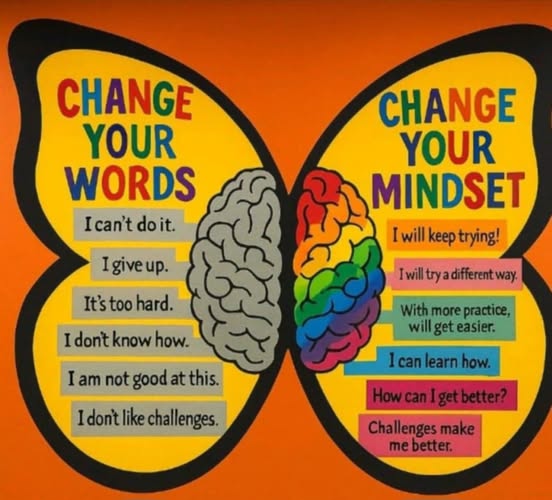
Researchers and practitioners often distinguish between more helpful and more limiting mindsets, such as growth versus fixed views of ability. A growth-oriented mindset sees skills and intelligence as improvable through effort and learning, while a fixed-oriented mindset treats them as largely predetermined.
Why mindset matters
Because mindset shapes perception, it also influences motivation, resilience, and long-term behavior patterns. Over time, these patterns compound, affecting performance, relationships, well-being, and the results people create in both their personal and professional lives.
Mindset Transformation Process
Mindset transformation is the intentional process of changing the core beliefs, attitudes, and thought patterns that shape how a person sees themselves, other people, and the world. It goes beyond a temporary mood shift and involves adopting a new, more empowering way of interpreting experiences and responding to challenges.
Mindset transformation means moving away from rigid, limiting beliefs and replacing them with perspectives that support growth, learning, and possibility. This shift alters how someone explains setbacks, evaluates their abilities, and imagines what is possible for their future.
Transforming mindset usually involves becoming aware of existing thought patterns, questioning them, and consciously practicing new interpretations and responses. Over time, repeated practice rewires thinking habits, which then change behavior, emotional reactions, and the choices a person makes.
A transformed mindset often leads to greater resilience, motivation, and openness to feedback and learning. This can improve performance at work, deepen relationships, and increase overall well-being, because people feel more capable of influencing their lives rather than feeling stuck.
This guide walks you through five powerful steps to shift from a limiting, fixed mindset to an empowered, growth-oriented one, turning your inner critic into your greatest ally.
Step 1: Cultivate Self-Awareness and Mindfulness
You can’t change what you don’t see. The journey to a new mindset begins with a compassionate audit of your current one. This step is about becoming a curious observer of your own mind.
Self-Awareness
Start by tuning into your internal dialogue. What does that voice in your head say when you face a challenge or make a mistake? Does it say, “I always fail at this,” or “What can I learn here?” Grab a journal and practice reflective writing. Don’t just log events; log your reactions to them. What triggered you today? What hidden belief might be behind that frustration or anxiety?
Reframing The Limiting Beliefs
Can you spot any limiting beliefs? Recognising limiting beliefs means spotting the automatic thoughts and assumptions that quietly tell you what you “can’t,” “must,” or “should” do, and that consistently make you feel stuck, small, or not enough. These beliefs usually feel like facts, but they are learned interpretations that can be questioned and changed. Signs you’ve hit a limiting belief are:
- Strong emotional reactions (fear, shame, anger, hopelessness) that show up around certain goals or situations, especially when your response feels bigger than the situation itself.
Repetitive inner statements that sound absolute, like “I’m just not the type of person who…”, “People like me never…”, or “It’s too late for me to…”.
Once you have identified a limiting belief, you should question its validity and reframe it. Reframing limiting beliefs means deliberately challenging a rigid, negative thought and replacing it with a more accurate, balanced, and empowering perspective. The reframing process is as follows:
Catch the belief: Notice the recurring negative statement and write it down in its raw form.
Challenge it: Ask what concrete evidence supports it, what evidence contradicts it, and whether it is always true in every situation.
Rewrite it: Replace it with a realistic, growth-focused belief such as “I’m still learning this skill and can improve with practice,” then repeat and act from that new belief.
Mindfulness
Practicing mindfulness means training your attention to be fully present, without judgment. You don’t need to meditate for hours. Start with five minutes of focusing on your breath (breath-focused mindfulness). Also, you can try present-moment awareness, which includes: eating without distractions, savoring each bite (mindful eating), focusing on sensations while walking in a quiet place (mindful walking), and practicing gratitude journaling, where each day you should write down three things you are grateful for. These practices create a crucial gap between a triggering event and your reaction—a space where choice becomes possible.
Your Action Point: Start with a 5-minute daily journaling session. Answer one question: “What was my dominant thought pattern today, and where might it have come from?”
Step 2: Embrace a Growth Mindset
With greater awareness, you can now consciously choose a new lens. Psychologist Carol Dweck’s research distinguishes between a fixed mindset (which believes that your abilities are static) and a growth mindset (which believes that you can develop through effort).
A fixed mindset avoids challenges for fear of failure. A growth mindset sees challenges as the gym for your brain—essential for getting stronger. This step is about reprogramming your response to life’s inevitable obstacles and criticisms.
Strategies to cultivate a growth mindset
- Focus on actions: Pay attention to the concrete actions you take toward your goals each day. Tracking small steps and experiments helps your brain link progress to what you do, not to some fixed, inborn quality.
- Embrace challenges and setbacks: Approach difficult tasks as training opportunities rather than pass–fail tests of your worth. When something doesn’t work, pause to extract lessons and adjust your strategy, treating mistakes as useful information rather than proof that you “can’t.”
- Seek feedback and keep learning: Invite specific, constructive feedback so you can see blind spots and refine your approach over time. Combine this with a commitment to continuous learning—courses, books, mentoring, and practice sessions—to keep stretching your abilities instead of staying within what already feels easy.
Your Takeaway: The next time you face a setback, ask yourself one growth-minded question: “What is this situation trying to teach me?”
Step 3: Harness Positive Thinking and Visualization
Your brain is a powerful prediction machine. It often moves toward the most dominant images and thoughts you feed it. Step 3 is about consciously directing that power toward your desired future.
Positive thinking isn’t about ignoring reality; it’s about strategic reframing. When a negative thought arises (“This project is going to be a disaster”), consciously challenge and redirect it (“This project is complex, and I have the skills to work through it step-by-step”). Amplify this with a daily gratitude practice. Writing down three specific things you’re grateful for literally rewires your brain to scan the world for what’s working, not just what’s broken.
Then, bring your goals to life through visualization. This is more than daydreaming; it’s a focused mental rehearsal. Spend a few minutes each day vividly imagining yourself having already achieved a goal. Feel the emotions, see the details, and hear the sounds of that success. For a tangible boost, create a vision board—a collage of images and words that represent your aspirations. This constant visual cue keeps your subconscious mind aligned with your conscious aims.
Your Action Point: Tonight, practice visualization. Before sleep, vividly imagine one small success for tomorrow. Feel how it feels to have already accomplished it.
Step 4: Set Goals and Create Action Plans
A transformed mindset needs a clear direction. Vague hopes like “be happier” or “be more successful” are hard to act on. This step is about turning your new growth-oriented perspective into a concrete roadmap.
Use the SMART framework to shape your desires into goals. A goal should be:
Specific (clear and defined, not vague)
Measurable (you can track progress)
Achievable (realistic yet challenging)
Relevant (aligned with your true values)
Time-bound (has a deadline)
Instead of “get fit,” a SMART goal is “I will walk for 30 minutes, four days a week, for the next three months.” Then, break that goal down into a weekly action plan. What will you do on Monday? What time? Planning removes the daily mental load of decision-making and builds momentum through small, consistent wins.
Your Takeaway: Transform one broad aspiration into one SMART goal this week. Then, schedule the first two action steps directly into your calendar.
Step 5: The Lifelong Practice – Build Resilience and Adaptability
Transformation isn’t a one-time event; it’s a lifestyle. The final step ensures your new mindset can withstand pressure and evolve. This is about building resilience—the ability to bounce back—and adaptability, the skill of adjusting to change.
Develop a support system. Share your journey with trusted friends, a coach, or a community. They provide perspective and encouragement when your resolve wavers. Proactively manage stress through practices integrated from earlier steps: mindful breathing, gratitude, and positive reframing. Most importantly, learn to normalize setbacks. In a growth mindset, there is no failure, only feedback. When things don’t go as planned, conduct a kind, non-judgmental review. What worked? What didn’t? How will you adjust your approach? This turns every stumble into a stepping stone.
Your Action Point: Identify one person you can share your mindset journey with. Vulnerability and accountability are pillars of lasting resilience.
Your Journey Forward
Mindset transformation is the ultimate act of self-leadership. It’s not about denying difficulties but about changing your relationship to them. By moving through these five steps—from awakening your self-awareness and choosing growth, to directing your mental power, building a plan, and fortifying your spirit—you stop being a passenger to your old thoughts.
You become the author of your life’s next chapter. Start today with just one small step. Observe one thought. Reframe one challenge. See yourself succeeding at one tiny thing. This is how you build a new reality, one empowered thought and intentional action at a time.